FINDING THE RIGHT KNIFE
Vegetables, meat, fish and herbs – there’s a knife for efficiently and comfortably cutting anything in the kitchen. But which knife is used for what purpose and how can you tell the good from the bad?
THE ZWILLING GUIDE: HOW TO FIND THE KNIFE FOR YOU
What makes a good knife? And what makes a good knife for you? These are two very different questions which we’ll delve into the specifics of and give you some inspiration. Here at ZWILLING, we only have good knives as a matter of course. But which knife is right for you, the purpose you need it for and the food you’re cooking? If this is what you’ve been wondering about, then you’ve come to the right place. Read on to find out about the main knife types, their properties and how you can find the right knife for you at ZWILLING.
A RANGE DEVELOPED WITH TRADITION
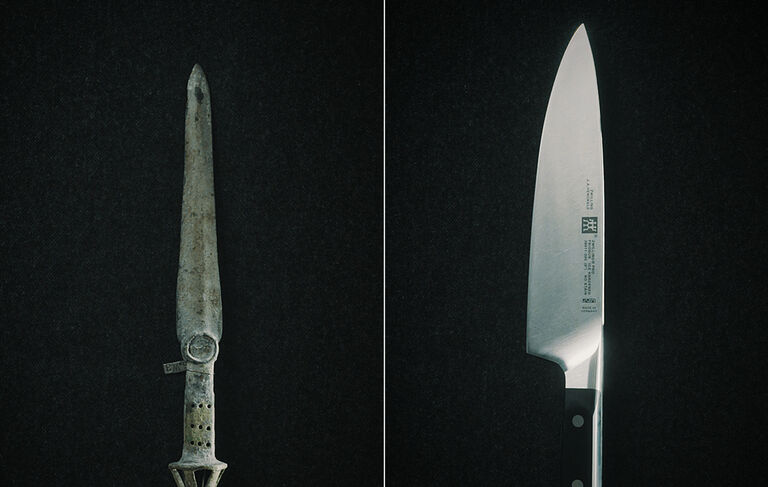
We’re providing you with extensive help in finding the right knife for you as we have such a wide range of different knife types on offer. This means that there’s a huge variety of knives for you to choose from, which have all been developed on the basis of long-standing tradition. ZWILLING has been around since 1731. We’ve been hard at work from then until now, channelling a huge amount of effort into our core field, knives. You can find the fruits of our hard work on our online store: a range of knives for every taste and to meet every need. Read on to find out which is the right one for you.
THE MAIN TYPES OF KNIVES
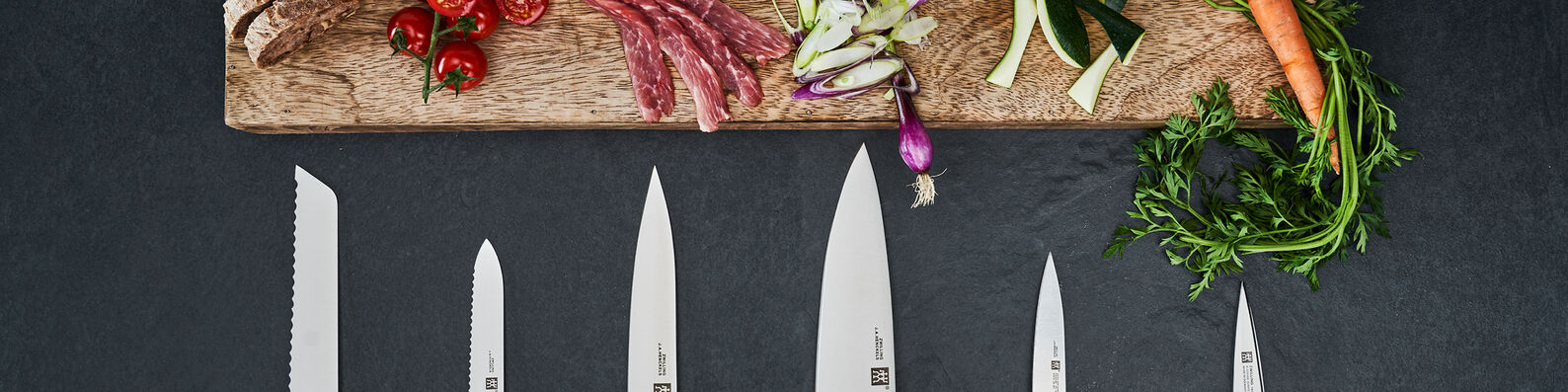
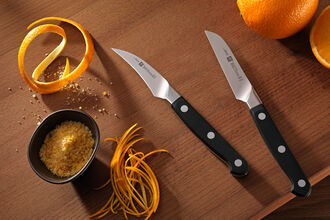
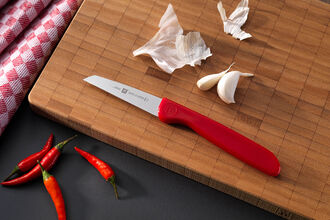
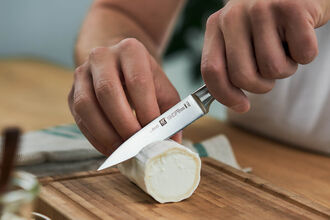
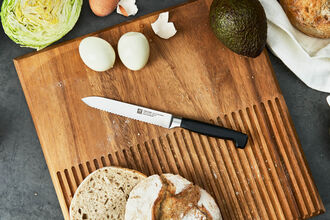
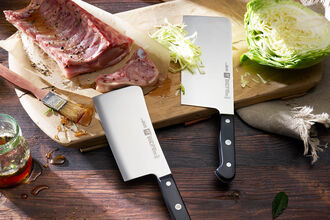
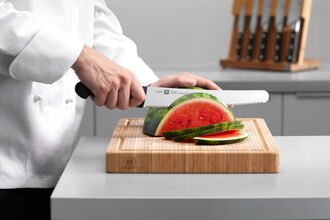
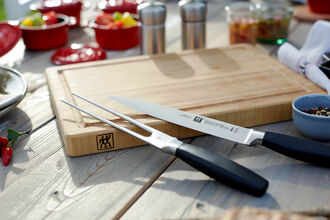
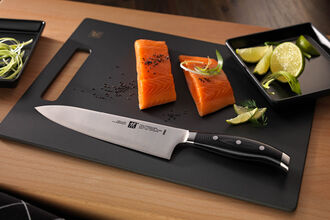
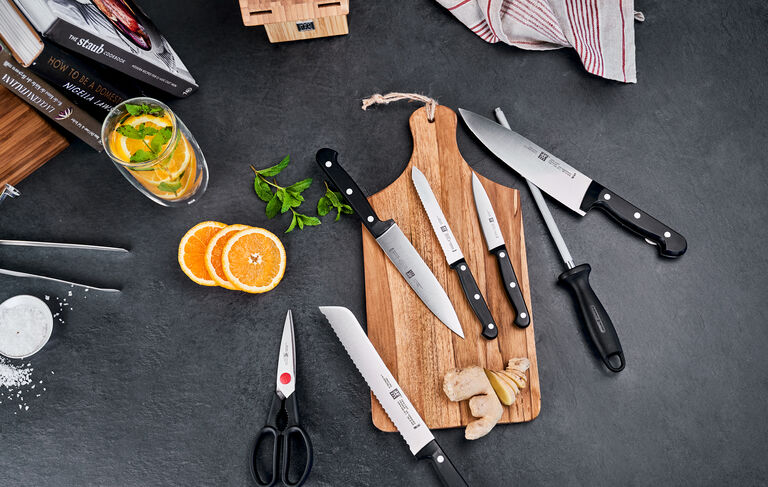
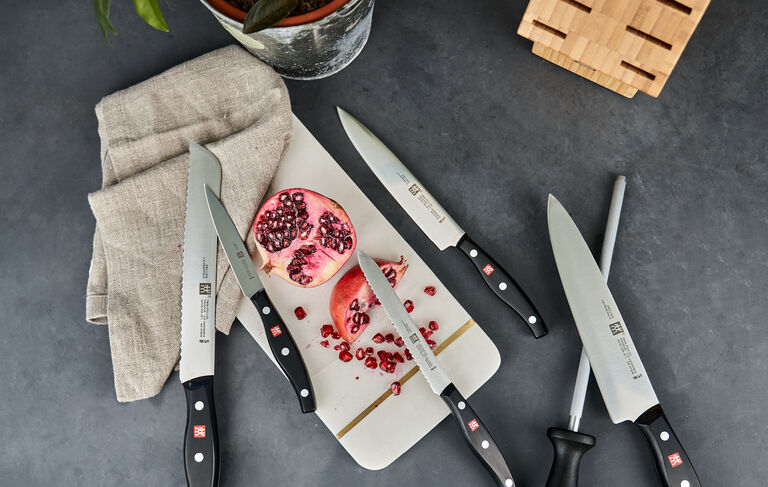
The range of knives on offer at ZWILLING has grown over time into an extensive range.
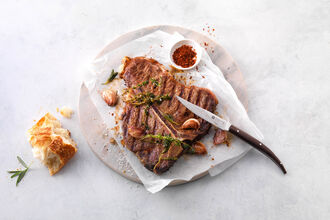
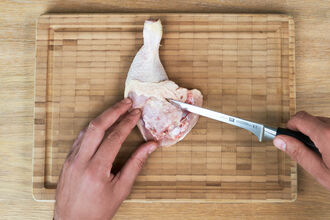
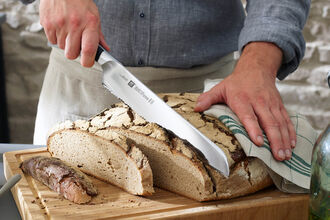
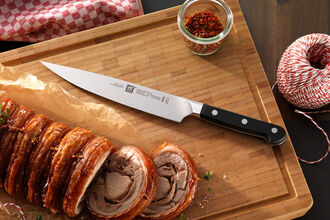
From all-purpose knives, bread knives and through to top-quality Japanese Damascus steel knives, we have everything you might need in your kitchen.
WHAT PROPERTIES ARE IMPORTANT?
If you really want to do things properly, it’s also important to pay attention to what properties knives have. For example, did you know that blades have hardness scale ratings? Or that knives can have different levels of flexibility? Here are the five most important properties to take note of: 1. Edge retention = indicates how long a knife stays sharp for. 2. Rockwell hardness scale = the harder the blade, the longer the edge will stay sharp. 3. Flexibility = this is of particular interest for fillet knives and when it comes to hard, unyielding food (e.g. pumpkins). 4. Balance = how well does the knife sit in your hand and how evenly is the weight distributed between the tip and end of the handle? 5. Resistance to corrosion = how resistant is the knife to rust?
WHICH KNIFE, WHICH BLADE LENGTH?
One aspect which relates to knife design is the length of the blade. Using a small kitchen knife or long chef’s knife makes all the difference depending on what kind of food you’re chopping. Here are two key bits of information to help you get orientated: 1. A 200mm blade (meaning 200mm in length) is a classic, and most widely used. You’ll always be on the right track with this one. 2. The following rule of thumb: the length of the blade should be suitable for the size of the food you’re chopping. Especially blades that are too short can make cutting up large bits of food hard work. For example: if you want to carve a roasted joint or cut up a watermelon, we recommend choosing a big enough knife.